
This post may contain affiliate links. Please read our disclosure policy.
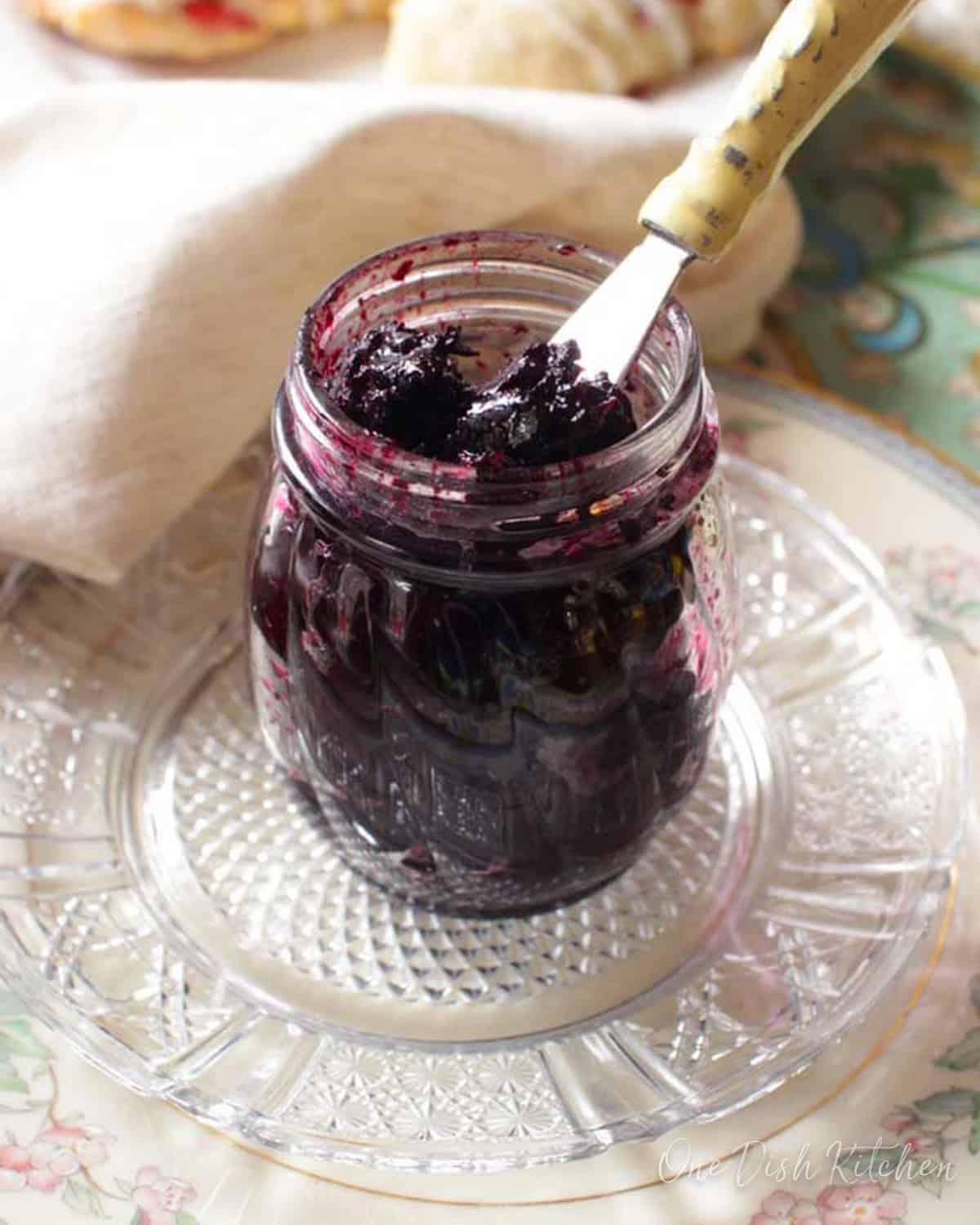
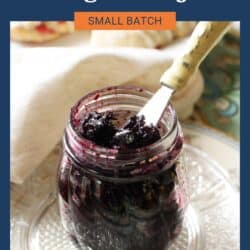
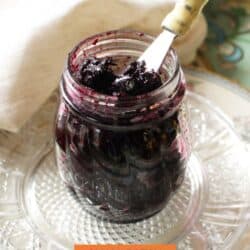
This small batch refrigerator jam is a 2-ingredient recipe made with just fresh fruit and sugar. No pectin, no canning, and it tastes like the fruit it’s made from.
Featured Comment
“This came out amazing! I made a batch of strawberry and a batch of blackberry as gifts. Just what I was looking for.”
– Sherry
Quick Look
- Prep Time: 10 minutes
- Cook Time: 30 minutes
- Total Time: 1 hour (includes 20 minutes cooling)
- Equipment: Saucepan
- Cook Method: Stovetop
- Servings: One small jar, about 3/4 cup
- Difficulty: Easy
- Flavor Profile: Sweet and fruit-forward.
This homemade refrigerator jam has a soft, spoonable set with a sweet, fresh fruit flavor.
Why You’ll Love This Quick Homemade Jam Recipe

When my kids were small, summers in Texas meant driving out to the farms near us to pick blueberries and strawberries, then cooking down big batches of jam to use it all up. I wanted that same wonderful jam in a single small jar, just enough for one or two people without an abundance of jam to work through.
This 2-ingredient refrigerator jam comes down to one thing: getting the fruit and sugar amounts right. A small batch like this needs its own measurements, so we tested it on its own until it thickened into jam with just fruit and sugar. Most recipes add pectin or a little lemon juice to help it firm up. This one doesn’t need either.
The jam is ready in about twenty minutes. The fruit softens, breaking down into a deep-colored jam right in the pan. It sets the rest of the way as it cools, until you’ve got just enough to spread on toast all week.
The way I love it most is the simplest one: a spoonful over warm butter swim biscuits. It’s just as good stirred into yogurt, spooned over a small batch of buttermilk pancakes, or baked into thumbprint cookies and small batch oatmeal bars with jam.
Ingredient Notes
You only need two ingredients to make this blueberry refrigerator jam, and it works just as well with strawberries. If you have any ingredients left over, our Leftover Ingredients Recipe Finder can show you ways to use them.
Blueberries or strawberries: Use fresh, ripe fruit, since the flavor of the jam comes straight from the fruit you start with. Taste a berry first, and if it’s on the tart side, plan to add a little extra sugar to balance it.
Both berries are fairly low in natural pectin, but cooking them down concentrates what they have, and that’s enough to set the jam softly without adding any.
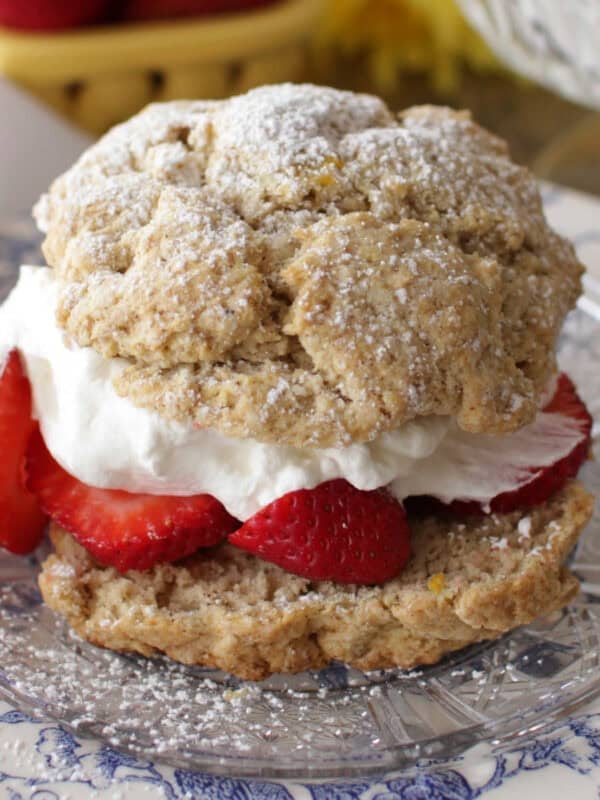
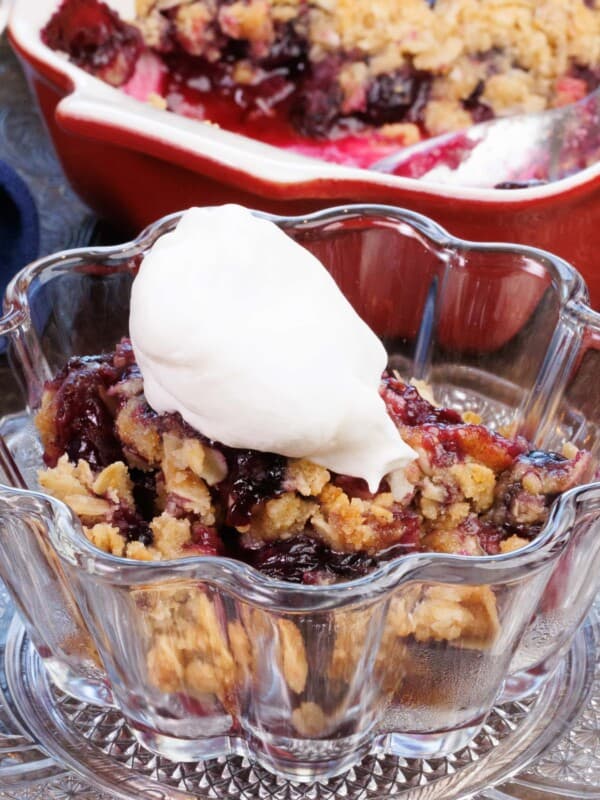
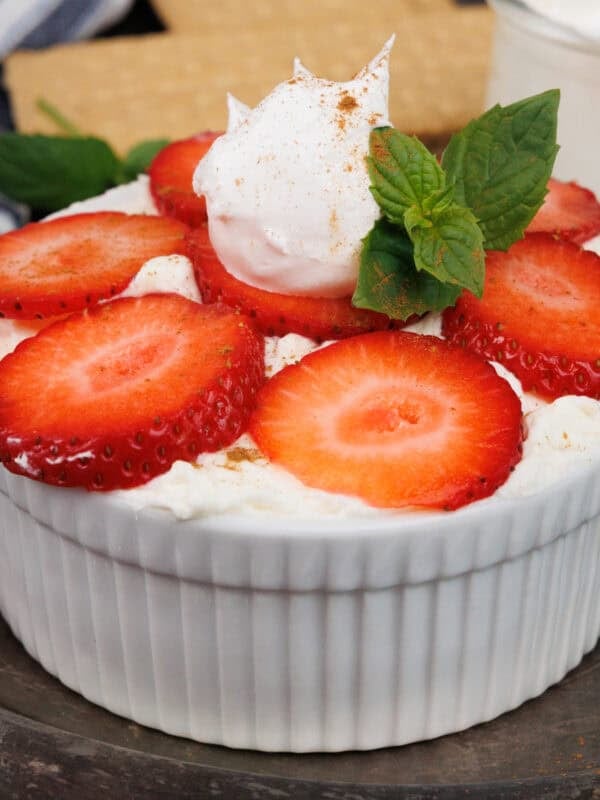
If you have berries left over, use blueberries in a mini blueberry pie or small batch blueberry scones, and strawberries in an easy trifle recipe or single serve strawberry crisp.
Sugar: Sugar sweetens the jam, and it also helps it set. As the fruit cooks, the sugar draws out moisture so the jam thickens, and it helps the finished jam keep longer in the fridge. How much you need depends on your fruit, so start with the amount in the recipe and add more only if your berries need it.
Recipe Variations
The base recipe works with other fruit and a few add-ins, so you can make this small batch jam more than one way.
Mixed Berry Jam: Combine blueberries with raspberries or blackberries to total about 2 cups of fruit for a deeper berry flavor.
Warm Spices: Stir in a pinch of cinnamon, nutmeg, or cloves while the fruit cooks for a warm, seasonal flavor.
Citrus Zest: Stir in a teaspoon of lemon or orange zest near the end of cooking for a brighter flavor.
Fresh Herbs or Ginger: Add a small pinch of chopped rosemary or mint, or a little grated fresh ginger, as the fruit simmers.
Peach Jam: Made with just peaches and sugar, this one sets into a soft, syrupy preserve rather than a firm jam. Peaches are naturally low in pectin and acid, so the texture stays loose, which makes it good spooned over ice cream or pancakes.
Mango Jam: Chopped mango and sugar cook down into a naturally thicker jam. Mangoes are dense and low in water, so they break down into a smooth, thick texture as they cook, with no added pectin needed.
How To Make Refrigerator Jam
These step-by-step instructions show how to make blueberry refrigerator jam, and the same method works for strawberry refrigerator jam too. You can also watch how it’s made in the video below.
- Cook the fruit: Add the blueberries or strawberries and sugar to a 1-quart saucepan. Cook over medium heat until the fruit starts to simmer, then mash it with a potato masher or the back of a fork to break it down.
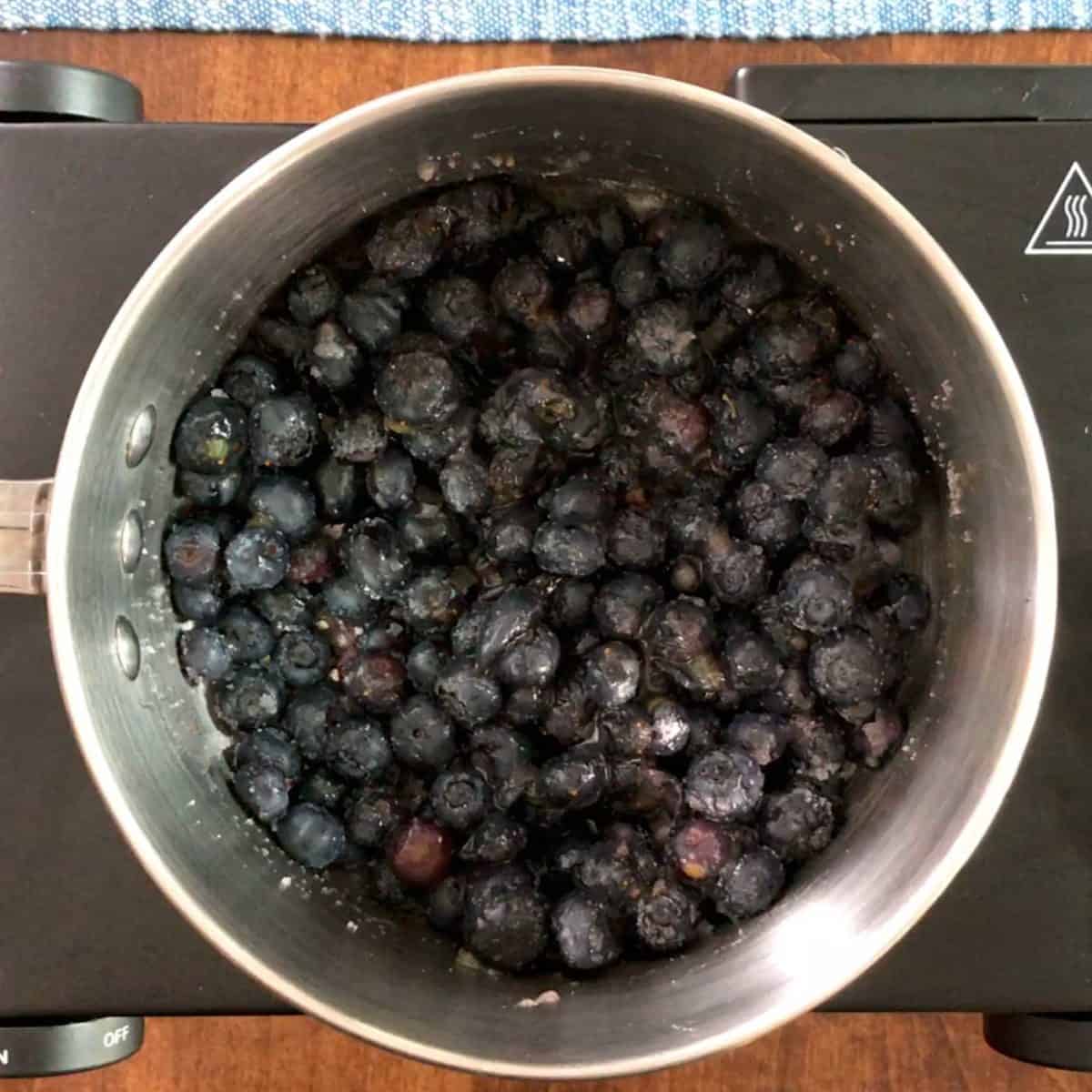
- Stir as it boils: Once the mixture comes to a boil, stir continuously so the sugar dissolves and the fruit softens evenly.
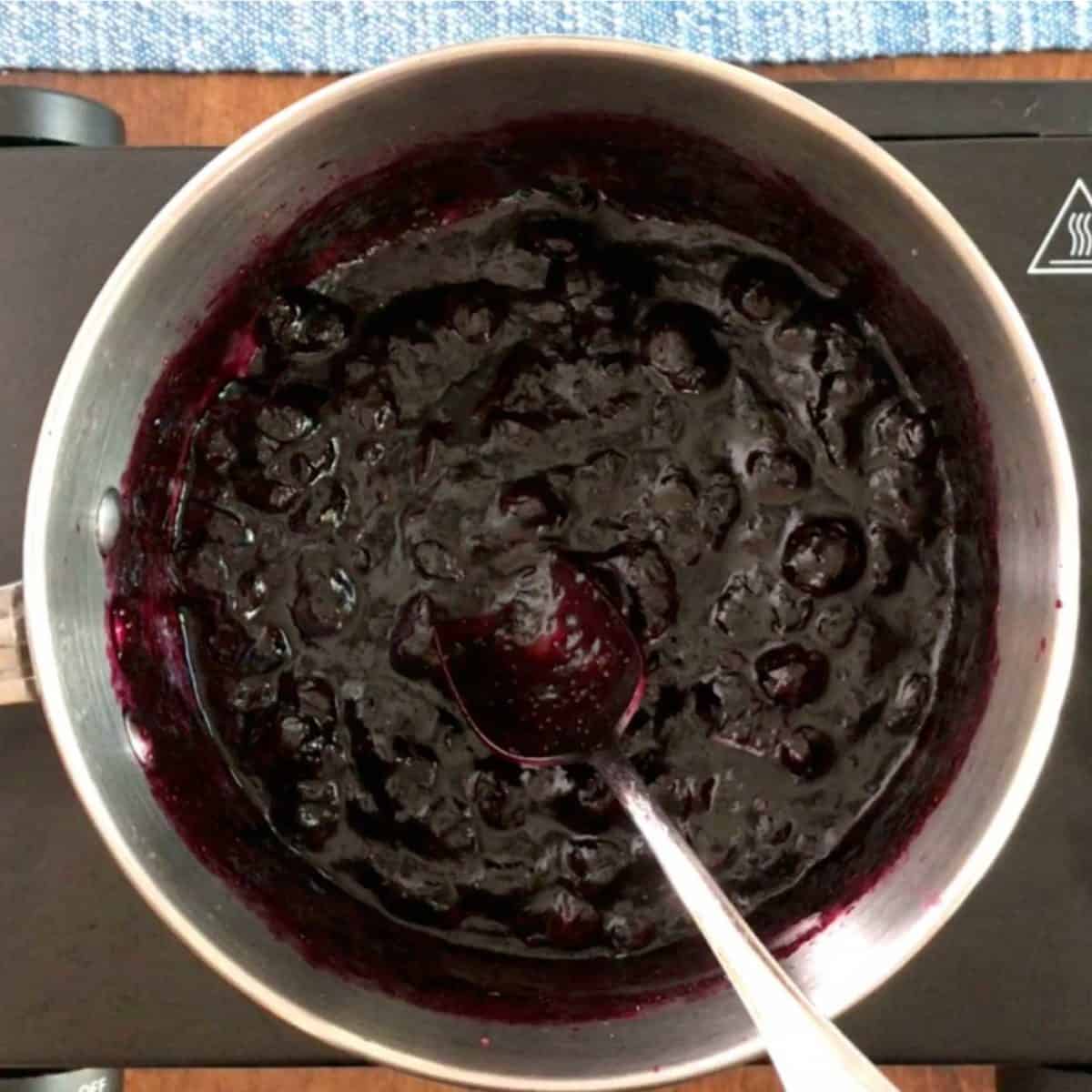
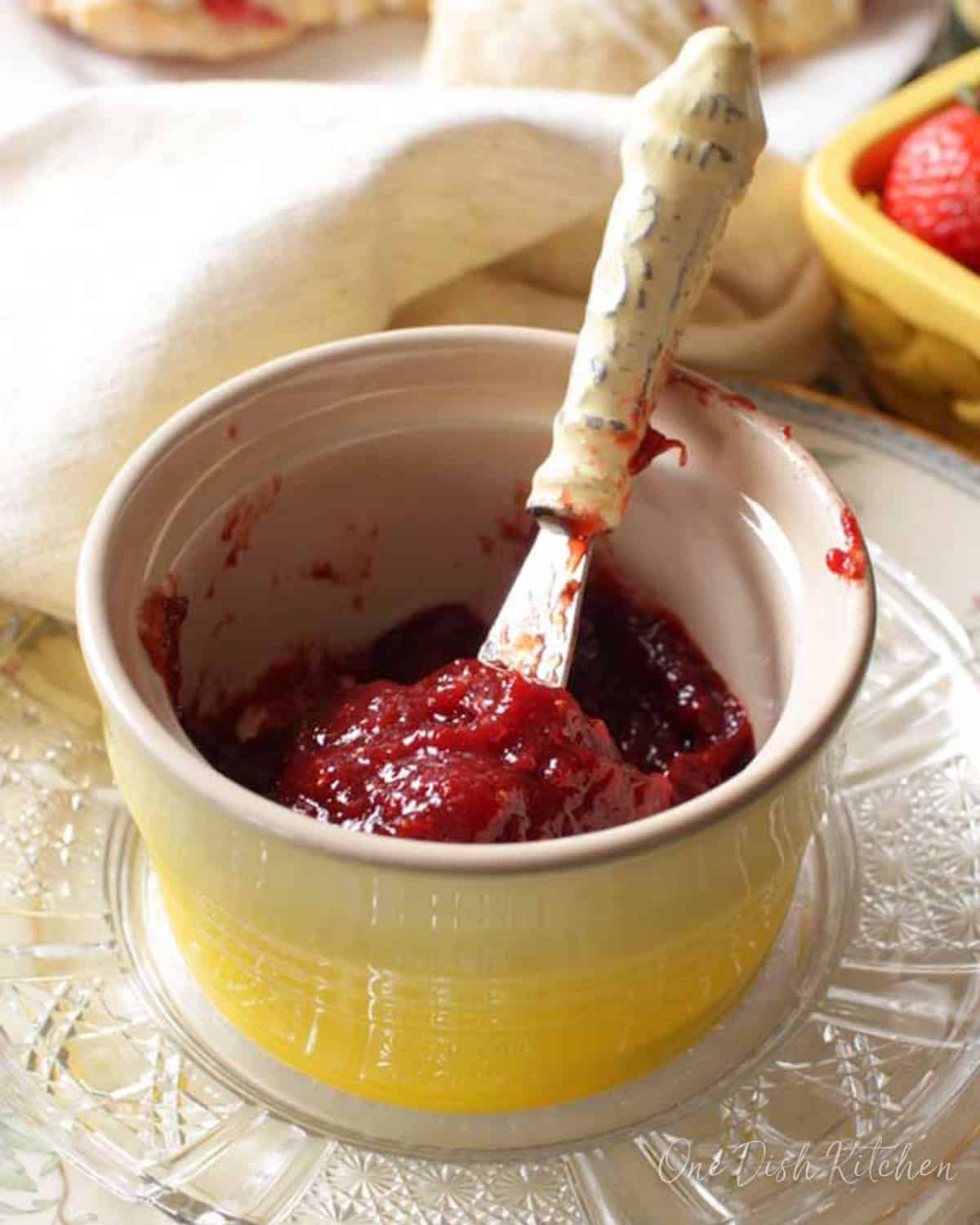
- Cook until thickened: Keep cooking, stirring now and then, for about 20 to 30 minutes, until the jam thickens and a spoon dragged across the bottom of the pan leaves a brief trail.
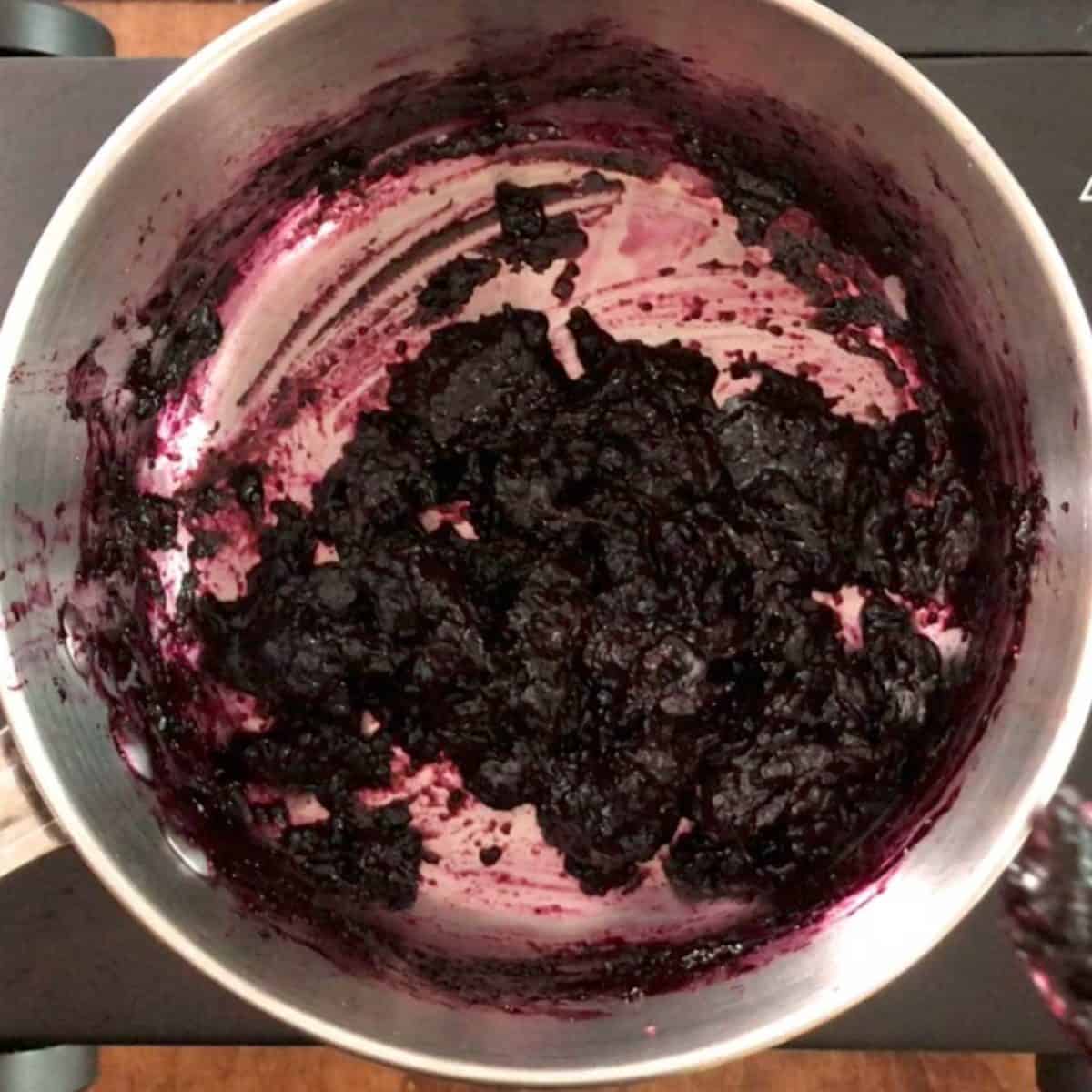
- Cool and store: Take the pan off the heat and let the jam cool completely. It thickens more as it cools. Transfer it to a clean glass jar.
Expert Tips
Use a small saucepan: A 1-quart saucepan is the right size for this batch. There’s so little fruit that a large pan spreads it too thin, and the edges cook down before the center does. The small pan keeps everything at an even depth so it thickens evenly.
Cut strawberries to an even size: If you’re using strawberries, chop them into similar-sized pieces so they break down at the same rate. Blueberries are small enough to skip this.
Keep the heat at medium and stir the bottom: A small batch of sugary fruit can catch on the bottom of the pan, so cook over medium heat and stir along the bottom often.
Expect a soft set: This jam stays looser than store-bought since there’s no added pectin. Cook it to a soft, spoonable thickness and stop there. Cooking it longer to firm it up can turn it sticky once it cools.
Troubleshooting
If your refrigerator jam isn’t turning out quite right, here’s how to fix the most common issues, like jam that won’t thicken, a batch that set too firm, or fruit that scorched on the bottom.
Why is my jam still runny after cooking?
Cook it longer, until it looks as thick in the pan as it does in the photos and video. Runny jam almost always means it came off the heat too soon. Keep simmering and stirring until the fruit has cooked down and thickened, then check the trail test, a spoon dragged across the bottom should leave a brief path. It firms up a little more as it cools, but it should already look thick in the pan.
My jam turned out too thick or sticky. Can I fix it?
Stir in a teaspoon of warm water at a time until it loosens. Overcooking drives off too much moisture and firms the jam past a spreadable set. Warm the jam gently and add water a little at a time until it reaches the texture you want.
The bottom scorched while cooking. Is the jam still good?
Stop stirring the bottom, pour off the clean jam from the top, and don’t scrape the pan. As long as the scorched layer stays stuck to the pan, the jam above it is fine. Transfer the good jam to a clean pan or jar and leave the burnt layer behind.
Why didn’t my jam set at all?
Keep simmering, since a soft set comes from cooking, not from pectin. This recipe has no added pectin, so it relies on cooking the fruit down to concentrate its natural pectin and sugar. If it’s watery, it just needs more time over the heat. A wetter fruit or a slightly underripe batch can take longer.
Frequently Asked Questions
About 2 to 3 weeks in the fridge, stored in a clean, covered jar. This fridge jam keeps best when it stays cold, so return it to the refrigerator right after each use and dip in with a clean spoon.
Yes. This jam isn’t processed or canned, so it has to stay in the refrigerator. Leaving it at room temperature isn’t safe because there’s no canning seal to protect it.
Yes, this recipe uses no pectin at all. Cooking the fruit down concentrates its natural pectin and sugar until the jam sets to a soft, spoonable thickness on its own.
Yes. Thaw the fruit first and drain off the extra liquid before cooking, or the jam will take longer to thicken. Frozen blueberries and strawberries both work.
Yes, but you may need to increase the cooking time slightly. Keep an eye on the consistency as it cooks.
Yes. Spoon it into a freezer-safe container, leave about half an inch at the top for expansion, and freeze up to 3 months. Thaw it in the refrigerator before using.
Refrigerator jam is made from crushed or chopped fruit, so it holds bits of the fruit itself. Refrigerator jelly is made from strained fruit juice, which makes it smooth and clear. This recipe is a jam, but the same no-cook-canning, keep-it-cold method works for both.
No, not for refrigerator jam. A clean jar with a tight lid is enough, since the jam stays cold and gets eaten within a few weeks. Full sterilizing is only needed for shelf-stable canning.
Yes, slightly, but the texture and shelf life will change. Sugar helps the jam thicken and keeps it fresh longer, so cutting too much gives you a looser, shorter-lived jam. Taste your fruit first and adjust from there.
RELATED: 25 Single Serving Summer Recipes
Ways To Use Leftover Ingredients
If you have any ingredients leftover from this recipe, check out our Leftover Ingredients Recipe Finder or you might like to consider using them in any of these single serving and small batch recipes:

If you’ve tried this quick jam recipe or any recipe on One Dish Kitchen please let me know how you liked it by rating the recipe and telling me about it in the comment section below.
Also, if you take a picture please tag us on Instagram (@onedishkitchen) we’d love to see!
Small Batch Refrigerator Jam

Watch How To Make This
Equipment
Ingredients
- 1 pint blueberries or 2 cups of chopped strawberries
- ¼ cup granulated sugar
Instructions
- Add the blueberries (or strawberries) and sugar to a 1-quart saucepan. Cook over medium heat until the fruit begins to simmer.
- Mash the fruit with a potato masher or the back of a fork to break it down.
- When the mixture comes to a boil, stir often so the sugar dissolves and the fruit softens evenly.
- Continue cooking, stirring occasionally, for 20 to 30 minutes, until the jam thickens and a spoon dragged across the bottom of the pan leaves a brief trail.
- Remove the pan from the heat and let the jam cool completely. It will thicken more as it cools.
- Transfer the cooled jam to a clean glass jar.
Notes
Nutrition
The information shown is an estimate provided by an online nutrition calculator. It should not be considered a substitute for a professional nutritionist’s advice.











I love your recipes and all the work that you put into recipes for one and two servings .Thank You!!
My parents used EVERYTHING in the garden.
My mother even made tomato jam. ( peeled the tomatoes, chopped them left the seeds in , added a dash of cinnamon and sugar,,and simmered to the consistency of jam, she wanted,hers had a buttery flavor.) I can never get that flavor. Is it the kind of tomato, she used, the soil the tomatoes they were grown in , or did she slip a pat of butter in ?
Thank you so much for your kind words—I’m thrilled you’re enjoying the recipes! Your mother’s tomato jam sounds amazing! The buttery flavor could come from a few different things: it might be the type of tomato she used, as heirlooms or homegrown varieties often have unique flavors influenced by the soil. It’s also possible she added a small pat of butter, which could add that rich, smooth taste. If you try adding a little butter, I’d love to hear if it brings you closer to that nostalgic flavor!
How long will this keep in the refrigerator?
Homemade refrigerator jam lasts about 2-3 weeks in the refrigerator.
How long will it last in the fridge?
Thanks for your question! This info is actually in the FAQ section of the post—refrigerator jam will last about two to three weeks in the fridge. I hope this helps, and enjoy the jam!
I’ve made this type of jam dozens of times, with strawberries, raspberries, blackberries, peaches, apricots (my fave!), well, basically, with whatever the fruit guy on the corner has on sale that’s in good shape.
I appreciate that you use such a small amount of sugar. I do too.
I differ with you in small ways:
When I prepare the fruit, I mash it up slightly with the sugar and leave it to macerate (soak) in the refrigerator for a few hours. This draws out the sugar.
Stone fruits, such as apricots or peaches, get chopped up a bit before it all goes into the fridge. Otherwise, all the fruit gets treated the same.
Before I put the fruit on the stove, I put in a wedge of citrus: lemon, orange, or lime. The point of the citrus is that the pith (the white part) has pectin, which is a thickening agent. You don’t want to use too much because too much will impart bitterness.
I cook over a lower flame than you do, but more than a simmer. I set my timer for 5 minutes, and every 5 minutes, I give the mixture a stir to the bottom of the pot, so that the sugar doesn’t sink and burn and the mixture doesn’t spatter (spattering is dangerous-sugar burns are among the worst burns you can get in the kitchen. Think napalm: fire that sticks.) Watch for spillovers. If the mixture of foams up too much, lower the flame a bit. This process requires some attention, but not constant attention.
As the fruit cooks, it collapses, and the juices get syrupy.
There are many ways to tell when it’s done. I start checking after about 15 minutes (the third time I stir). My test is that I lift the spoon out of the cooking liquid, and when the liquid stops dripping off the spoon and starts dribbling, it is done. Keep cooking until you start seeing the dribble. You will know what I’m talking about when you see it. It will tighten up further as it cools.
Taste for sweetness after it cools. Be cautious with sugar initially. You can add sugar if it isn’t sweet enough, but you can’t remove it if it’s too sweet.
Thank you so much for your detailed feedback and tips! I’m thrilled you enjoy the recipe and love hearing about the variations you’ve tried. Your maceration method and use of citrus for pectin are great ideas. Thanks for sharing your process!
I just tried this with melon. Wow!
If I do this again, I will take a SUPER ripe melon, and dice the fruit (a much finer chop), as melon does not seem to break down the way other fruits do.
Oh! Where do I mascerate? In the 2 quart heavy bottom pot which I use to make the jam.
I LOVE your postings!
Thank you so much, Steve! I’ve never made jam with melon, but it sounds amazing. I can’t wait to give it a try! Thanks for sharing your experience.
Could this be done in a slow cooker?
I have a 2 1/2 quart cooker.
While I haven’t tried this refrigerator jam recipe in a slow cooker, I suspect the consistency would be different. Traditional jam-making on the stovetop relies on rapid evaporation to thicken the fruit and sugar mixture. A slow cooker’s lower, gentler heat might not achieve the same results.
Diabetic so I will try this with monk fruit instead of sugar. It’s a 1:1 exchange so should be easy. I will let you know how it goes.
Made this with wild raspberries, absolutely delicious
What size jars do I need for this yummy recipe?
I have the really small canning jars and small ones and regular size Mason canning jars.
I would love to use them. Since I don’t can stuff. (arthritis in my hands)
Use a jar that holds roughly half to three-quarters of a cup.
Thank you!
Ideally, I’d like to make this recipe with no sugar, but not sure how that would turn out. I was thinking of at least using half the amount of sugar recommended for this recipe. Do you think that would work? Thank you! ❤️
Hi Susanna, you need sugar to make the jam thicken. You can try using less sugar but the jam will not be as thick.
Great recipe Joanie! I made the jam with strawberries and in the last few minutes I’d cooking down I added some lemon zest. Nice twist of flavor. Can’t wait to try blueberries next!