This post may contain affiliate links. Please read our disclosure policy.
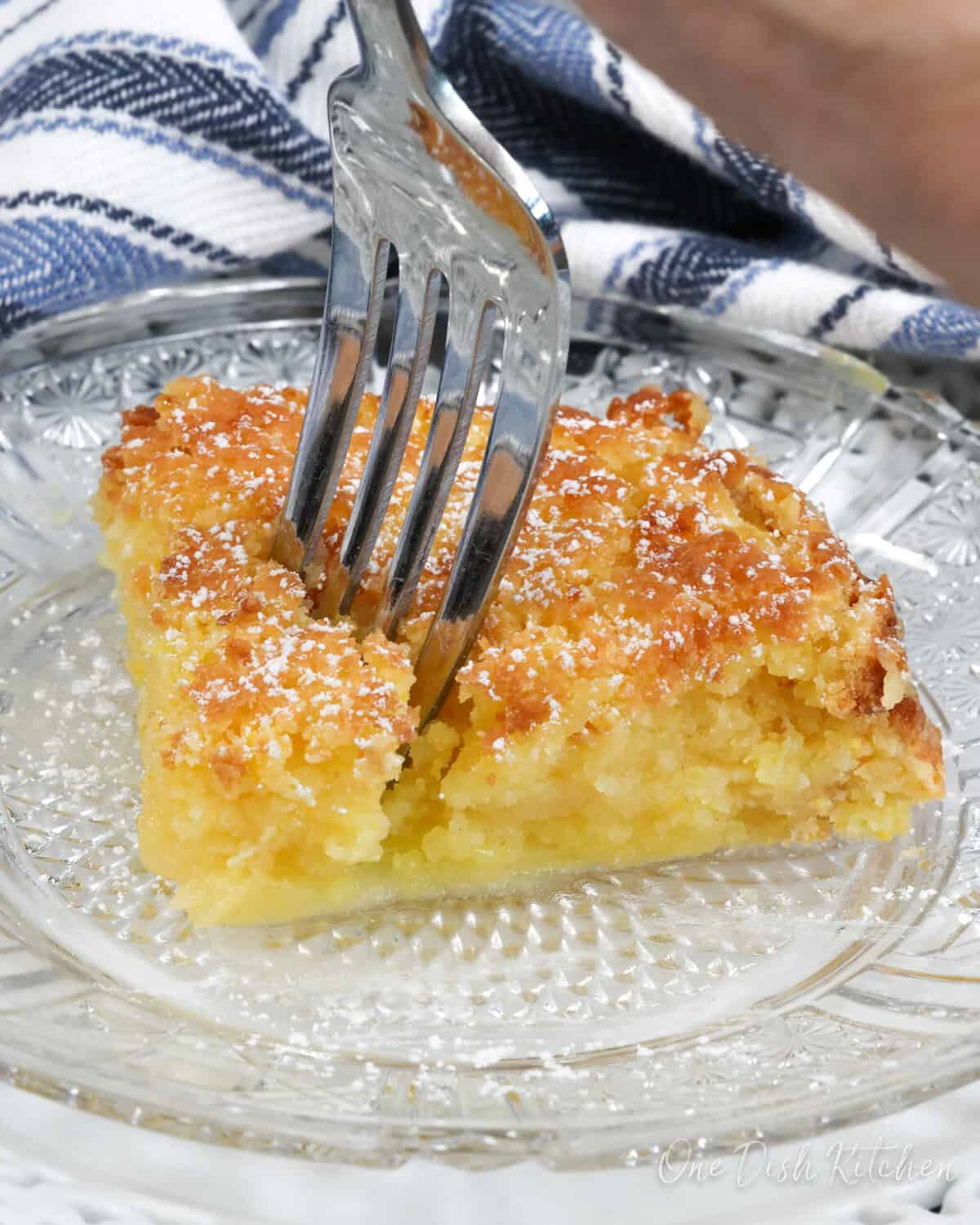
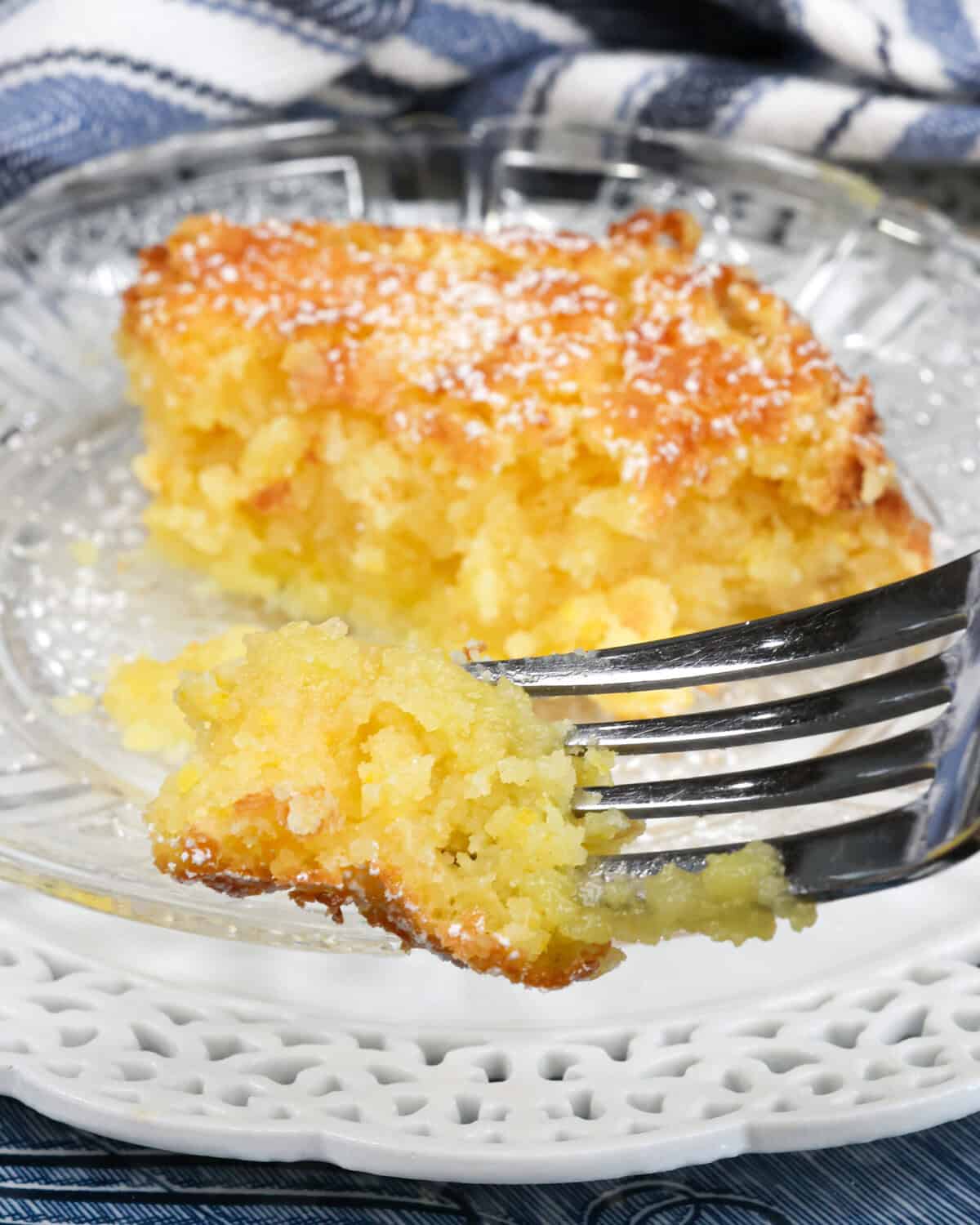
This mini chess pie comes out of the oven with a delicate, crackly golden top over a silky, sweet filling and a buttery shortbread crust that’s almost like a cookie. It’s perfectly sized for one or two people.
Featured Comment
“Chess pie was delicious and your recipe was perfect.”
– Ann
Quick Look
- Prep Time: 25 minutes
- Cook Time: 50 minutes
- Cool Time: 1 hour
- Total Time: 2 hours 15 minutes
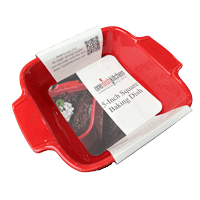
- Equipment: 5×5-inch baking dish, electric hand mixer for the crust
- Cook Method: Oven baked
- Servings: 4 squares (for 1 to 2)
- Difficulty: Easy
- Flavor Profile: Rich, buttery sweetness with a hint of vanilla.
Chess pie is an everyday Southern classic that shows up on plenty of holiday tables too, and this easy chess pie recipe is a small, from-scratch version you can bake for yourself.
Why You’ll Love This Mini Chess Pie Recipe

This is one of my all-time favorite pies, and the first forkful tells you why, with a thin, crackly top that gives way to a sweet, buttery custard. Chess pie is one of the oldest Southern custard pies, and this one is made the traditional way, with a little cornmeal in the filling. It’s made for one or two people.
This small chess pie bakes in a 5-inch dish and gives you a few servings of a dessert that’s usually baked nine inches across for a crowd. The crust is the easy part. There’s no pie dough to roll or crimp, since the shortbread crust is pressed into the dish with your fingertips, and it bakes into a buttery base that’s every bit as good as the filling.
Looking for more mini pie recipes? Try my mini Dutch apple pie, mini pecan pie, mini sweet potato pie, or pumpkin pie for one.
What Is Chess Pie?
Chess pie is a Southern custard pie made with butter, sugar, eggs, and milk, thickened with a small amount of cornmeal and balanced with a splash of vinegar. It’s one of the simplest pies to make, with ingredients you most likely already have in your kitchen.
Why Is It Called Chess Pie?
Nobody knows for sure where the name came from, and two stories get told most often. One says the pie was kept in a pie chest, and “chest pie” turned into “chess pie” over time. The other says a Southern cook, asked what kind of pie she’d made, answered “it’s jes’ pie,” and that’s what people heard. In the 1800s the same pie was also called vinegar pie, named for the pantry ingredient that gives it its balance.
Chess Pie vs. Buttermilk Pie
Chess pie and buttermilk pie look almost the same on the plate, but they taste different. Chess pie is thickened with cornmeal and sweeter, with a thicker, richer filling. Buttermilk pie is thickened with flour and gets a tangy flavor from the buttermilk. If you’d rather have the tang, try my mini buttermilk pie, which uses the same shortbread crust and the same 5-inch dish.
Ingredient Notes

The crust and filling in this chess pie recipe share a few ingredients, so each note below covers what that ingredient does in both layers. For ways to use any leftover ingredients, check out our Leftover Ingredients Recipe Finder.
Butter: Salted butter gives both layers their rich flavor. For the crust, soften it until it gives a little when pressed but still feels cool. Leave it on the counter for about 30 minutes, or microwave it for 10 to 15 seconds and watch it closely so it doesn’t melt. For the filling, the butter is melted.
Sugar: Granulated sugar sweetens both layers, and in the filling it’s what makes chess pie the rich, sweet pie it’s known for. The sugar also helps the custard set.
All-purpose flour: Flour gives the shortbread crust its structure, and a small amount in the filling works with the cornmeal to thicken it. For a gluten free chess pie, swap in a 1:1 gluten-free flour blend.
Cornstarch: A little cornstarch in the crust keeps the shortbread light and tender.
Salt: A little salt in the crust balances the sweetness of the shortbread.
Cornmeal: Cornmeal is the ingredient that makes this a chess pie. It thickens the filling and bakes into the thin, golden layer on top. I prefer stone-ground yellow cornmeal, but white cornmeal works just as well. For a chess pie without cornmeal, use the same amount of all-purpose flour. The pie will still set, it just won’t have the golden layer on top. Leftover cornmeal is great in small batch hush puppies or a mini corn casserole.
Eggs: Large eggs set the filling into a custard as it bakes. Beat them lightly before they go in so they mix evenly into the filling.
Milk: Whole milk gives the filling its richness.
White vinegar: A splash of vinegar balances all that sugar, and you won’t taste it in the finished pie. Apple cider vinegar works the same way. For a lemon version, see Lemon Chess Pie under Chess Pie Variations.
Vanilla extract: Use pure vanilla extract for the best flavor in the filling.
Chess Pie Variations
Every one of these variations starts with the same chess pie filling, so you can change the flavor or skip the crust and still bake it in the same 5-inch dish.
Crustless Chess Pie
A crustless chess pie is the filling baked on its own, and I make it this way sometimes for an even easier dessert. Skip the shortbread crust, lightly butter the 5×5-inch baking dish, pour in the filling, and bake for 25 to 30 minutes, until the center is set. Without the crust, you save the crust prep and its 18 to 20 minute bake.
Lemon Chess Pie
Lemon chess pie keeps the same sweet, buttery custard and adds a bright citrus flavor. Use the same amount of fresh lemon juice in place of the vinegar, and whisk in 1 teaspoon of lemon zest with the rest of the filling.
Coconut Chess Pie
Coconut chess pie adds a little chew and coconut flavor to the custard. Stir 2 tablespoons of shredded coconut into the finished filling before you pour it into the crust.
How To Make A Mini Chess Pie
This easy chess pie is made in two parts: a shortbread crust that bakes first, and a whisked filling that bakes on top of it. The photos show each step, and the recipe card below has the ingredient amounts and full instructions.
How To Make The Shortbread Crust
- Preheat the oven to 350°F (177°C). Lightly butter a 5×5-inch baking dish.
- In a medium bowl, beat the softened butter and sugar with an electric hand mixer on medium speed until smooth and well blended.
- Add the flour, cornstarch, and salt, and mix until the dough comes together.

- Press the dough firmly and evenly into the buttered dish with your fingertips or the back of a spoon.

- Bake for 18 to 20 minutes, until the crust is lightly golden. Set it aside to cool while you make the filling.

How To Make The Chess Pie Filling
- In a medium bowl, whisk together the sugar, cornmeal, and flour.

- Add the melted butter, milk, vinegar, vanilla, and lightly beaten eggs, and whisk just until smooth.

- Pour the filling over the cooled crust, and set the dish on a rimmed baking sheet to catch any drips.

- Bake at 350°F (177°C) for 25 to 30 minutes, until the top is golden, the center no longer wobbles when you gently shake the dish, and a toothpick inserted in the middle comes out clean. Let the pie cool completely on a wire rack or trivet, about 1 hour, so the filling finishes setting.

Expert Tips
Use the Right Baking Dish: This chess pie is developed for a 5×5-inch baking dish, which holds 22 ounces. A 4×6-inch dish holds about the same, so it works with no changes.
Bake the Crust First: The shortbread crust bakes on its own before the filling goes in, so it stays crisp under the custard. Pour the filling over a crust that’s still raw and the bottom will turn soft.
Mix the Filling Gently: Whisk the filling just until it’s smooth, then stop. Overmixing can make the chess pie crack as it bakes or turn out too dense.
Start Checking at 25 Minutes: Ovens run hot or cool, and a small pie has less room for error than a full-size one. Check at the low end of the bake time, then keep baking in 5-minute stretches until the center no longer wobbles and a toothpick comes out clean.
Doubling the Recipe: To make a bigger chess pie, double every ingredient and bake it in a 6×8-inch dish, or split it between two 5×5-inch dishes. The bake time stays about the same, so start checking at 25 minutes.
Serving Suggestions
A small chess pie is rich and very sweet, so it’s best with something light or tart alongside it.
- Powdered sugar: A light dusting of powdered sugar over the top is the traditional way to serve chess pie, and it’s how I like it best.
- Small batch whipped cream: A spoonful of soft whipped cream on each slice lightens the rich custard.
- Single serving vanilla ice cream: A scoop of cold vanilla ice cream next to a slice of chess pie is a classic Southern pairing.
- Fresh berries: Tart raspberries or strawberries on the side balance the sweetness of the filling.
Troubleshooting
Here’s how to get a chess pie with a smooth filling that’s set all the way through.
Why Is My Chess Pie Runny?
A chess pie is runny when it’s underbaked or sliced before it has cooled. Bake it until the top is golden, the center no longer wobbles when you gently shake the dish, and a toothpick inserted in the middle comes out clean. Then let it cool on a wire rack for a full hour, because the filling finishes setting as it cools.
Why Is My Chess Pie Filling Grainy?
A grainy or curdled chess pie filling comes from overbaking, which cooks the eggs past a smooth custard. Take the pie out as soon as the center no longer wobbles, since the eggs keep cooking from the heat of the dish while the pie cools.
Why Is My Chess Pie So Sweet?
Chess pie is very sweet by design, because sugar is the largest ingredient in the filling and it also helps the custard set. I recommend keeping the sugar as written and balancing the sweetness on the plate instead, with tart raspberries or strawberries or a spoonful of whipped cream.
Why Did My Chess Pie Sink After Baking?
A chess pie sinks a little after baking because the filling puffs up in the oven, then settles as the steam escapes while it cools. A slight dip in the center is normal for a chess pie.
Frequently Asked Questions
Chess pie needs to be refrigerated once it has cooled, because the filling is an egg custard. Cover the pie and keep it in the fridge for up to 3 days.
Chess pie can be frozen for up to 2 months. Let it cool completely, wrap the dish tightly in plastic wrap and then foil, and thaw it overnight in the refrigerator before serving.
Chess pie can be baked up to a day ahead. Let it cool completely, then cover it and refrigerate it until you’re ready to serve.
Chess pie tastes rich, sweet, and buttery, with a hint of vanilla. The filling is a smooth custard under a thin, crackly top.
Chess pie is best served at room temperature or chilled, once it has cooled completely and the filling has set.
Ways To Use Leftover Ingredients
If you have any ingredients leftover from this recipe, check out our Leftover Ingredients Recipe Finder or you might like to consider using them in any of these single serving and small batch recipes:
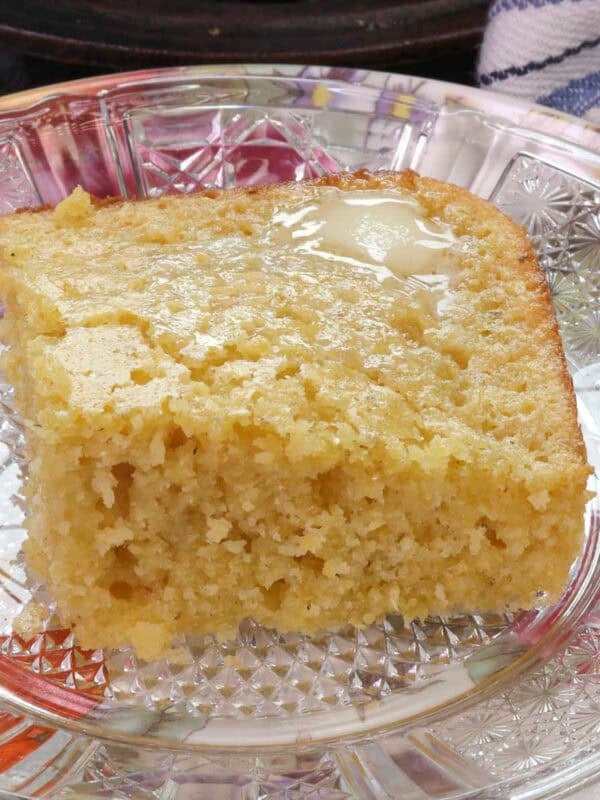


If you’ve tried this mini chess pie recipe please let me know how you liked it by rating the recipe and telling me about it in the comment section below.
Mini Chess Pie
Ingredients
For the crust
- 2 ½ tablespoons butter – softened to room temperature
- 2 tablespoons granulated sugar
- ¼ cup all-purpose flour
- 1 tablespoon cornstarch
- ⅛ teaspoon salt
For the filling
- ¾ cup sugar
- ½ tablespoon cornmeal
- ½ tablespoon all-purpose flour
- 3 tablespoons butter – melted
- 2 tablespoons whole milk
- ½ tablespoon white vinegar
- ½ teaspoon vanilla extract
- 2 large eggs
Instructions
Make the crust
- Preheat the oven to 350°F (177°C) and lightly butter a 5×5-inch baking dish.
- In a medium bowl, beat the softened butter and sugar with an electric hand mixer on medium speed until smooth and well blended.
- Add the flour, cornstarch, and salt, and mix until the dough comes together.
- Press the dough firmly and evenly into the buttered dish with your fingertips or the back of a spoon.
- Bake at 350°F (177°C) for 18 to 20 minutes, until the crust is lightly golden. Set it aside to cool while you make the filling.
Make the filling
- In a second medium bowl, whisk together the sugar, cornmeal, and flour.
- Add the melted butter, milk, vinegar, vanilla, and lightly beaten eggs, and whisk just until smooth.
- Pour the filling over the cooled crust, and set the dish on a rimmed baking sheet to catch any drips.
- Bake at 350°F (177°C) for 25 to 30 minutes, until the top is golden, the center no longer wobbles when you gently shake the dish, and a toothpick inserted in the middle comes out clean.
- Let the pie cool completely on a wire rack or trivet, about 1 hour, so the filling finishes setting.
Notes
Nutrition
The information shown is an estimate provided by an online nutrition calculator. It should not be considered a substitute for a professional nutritionist’s advice.



What can I substitute for corn meal and corn starch? Allergy.
I haven’t tested this one without corn, but both amounts are small, so the swaps are simple. In the crust, use the same amount of arrowroot or tapioca starch in place of the cornstarch. All-purpose flour works too, though the crust will be a little less tender. In the filling, replace the cornmeal with the same amount of all-purpose flour. The pie will still set, it just won’t have the thin golden layer on top that the cornmeal gives it.
I am so grateful for ODK small batch recipes. They give me endless opportunities to make recipes that I often hesitate to make for fear of having way too many leftovers or not knowing if I’ll actually like the dish. Turns out, I’m not a huge fan of traditional chess pie. But I get the appeal.
Coming from a large southern family myself, I am well aware that a lot more sugar than probably necessary goes into creating some of the tastiest creations. In this case, it turns out 3/4 cup of sugar was way beyond my tolerance level in this chess pie. WOW that was sweet sweet! Hubby and I couldn’t handle more than a few bites before we gave up.
I recall that you told one reader that cutting the sugar could potentially impact the results. But, if I ever made the recipe again, I would have to cut the sugar by at least 1/4 cup. Although I love the shortbread crust as is, I would probably cut the sugar in the crust by 1/2 to 1 tablespoon as well just for this recipe. That said, I wonder if replacing the sugar with a little more cornmeal would stabilize the custard and amp up the flavor. I was first drawn to this recipe because I thought there would be some corn flavor. I didn’t get that.
Honestly, I contemplated just throwing the leftovers in the garbage. Win some, lose some. Not one to waste food, I remembered you suggested serving it with berries. Fortunately, I had some frozen raspberries and strawberries on hand. I added about a cup directly into the dish, allowing the berries to thaw while the pie came to room temperature. As the berries thawed, they released their juices which blended nicely with the custard. Since the berries had zero sweetness, they balanced the sweetness of the pie very well. The taste was reminiscent of berries and sabayon. Very nice.
All in all, I continue to be enamored with ODK and can’t wait to try the next dish. In fact, I’ve got a brand new ODK 5×7″ baking dish and I’m itching to get something yummy going in it!
Thanks for sharing your experience! I totally get that chess pie can be quite sweet. I’m glad the berries helped save the day! Your creativity in the kitchen is inspiring. Enjoy your new baking dish—can’t wait to hear about your next delicious creation!
Absolutely delicious! The filling is silky smooth and not cloyingly sweet, and the shortbread crust is nice and “short”. I had made the crust for another recipe and was disappointed in the texture, so added 1 tbsp of rice flour this time and it gave me the crisp, tender texture I like for shortbread. I also added a pinch of salt, nutmeg, orange zest and fiori di sicilia to the filling. My pie took about 40 minutes to bake. When I took it out of the oven the top was a rich golden brown and puffed, and the filling had just a hint of a wobble in the centre, but firmed up as the pie cooled.
I’m so happy you enjoyed the chess pie, Sadie. Thank you so much for your feedback.
Chess pie was delicious and your recipe was perfect. Thank you so much
I’m so happy you enjoyed the pie, Ann!
Notes say 1 1/2 teaspoons cornmeal. Recipe says 1/2 teaspoon. Which is correct.
Thank you.
Hi Jan, the recipe calls for using 1/2 tablespoon (it does not say teaspoon), which is the same as 1 1/2 teaspoons.
Hi Joanie,
How can I turn this into a chocolate chess pie? Love your recipes!!
Thank you, Teresa! I haven’t tested a chocolate chess pie version of this recipe yet.
Good recipe.