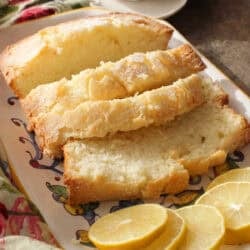
Mini Pound Cake
This mini pound cake is a buttery small batch dessert with a tender crumb and golden top, baked in a small baking dish for one or two servings.
Servings: 4 servings
Equipment
- 5-inch baking dish or a 4x6-inch baking dish
Ingredients
- ¼ cup salted butter - softened to room temperature, plus 1 tablespoon more for greasing the pan.
- ¾ cup granulated sugar
- 1 large egg
- ½ teaspoon lemon juice
- ¼ teaspoon vanilla extract
- ¾ cup all purpose flour
- ⅛ teaspoon baking powder
- ⅛ teaspoon salt
- ¼ cup milk
Instructions
- Preheat the oven to 350°F (177°C).
- Lightly butter a 5x5-inch or 4x6-inch baking dish. Place it on a rimmed baking sheet.
- In a small bowl, beat the butter and sugar with an electric mixer for about 1 minute until the mixture is pale and fluffy.
- Add the egg, lemon juice, and vanilla extract. Beat until smooth and fully blended.
- In a separate bowl, whisk together the flour, baking powder, and salt.
- Add the dry ingredients to the wet mixture. Mix until just combined. Do not overmix.
- Stir in the milk until the batter is smooth.
- Pour the batter into the prepared dish and spread it evenly.
- Bake for 40 to 45 minutes until the top is golden brown and a toothpick inserted in the center comes out clean.
- Cool the cake in the dish for 10 minutes. Invert onto a plate and slice into four pieces.
Video
Notes
Use real butter, not margarine. Margarine has a higher water content and lower fat than butter, which changes how the batter creams and how the cake bakes. The crumb won't hold together the same way.
Bring all ingredients to room temperature. A cold egg or cold milk can cause the creamed butter to seize up and break the emulsion. Set everything out 30 minutes before you start.
Don't overmix once the flour is added. Overmixing develops gluten, which makes the cake tough instead of tender. Mix until the flour just disappears, then stop.
Grease the dish thoroughly. This cake will stick if the dish isn't well greased. Use softened butter and coat every corner.
Place the dish on a rimmed baking sheet. I do this with every small baking dish recipe. It steadies the dish going in and out of the oven and saves you a cleanup if anything spills.
Use an oven thermometer. Most home ovens run 10 to 25 degrees off. A cake that bakes too hot will brown on the outside before the center is done, and one that bakes too cool can overflow the dish before the structure sets.
Nutrition
Serving: 1serving | Calories: 356kcal | Carbohydrates: 56g | Protein: 5g | Fat: 13g | Saturated Fat: 8g | Cholesterol: 84mg | Sodium: 201mg | Potassium: 67mg | Fiber: 1g | Sugar: 38g | Vitamin A: 460IU | Calcium: 33mg | Iron: 1mg
QR code
Scan this QR code with your phone's camera to view this recipe on your mobile device.
